Fake Payday Loan Collection Emails
Fake Payday Loan Collection Emails: How to Spot the Scams and Protect Yourself
In today's digital age, scams are becoming increasingly sophisticated, and one of the most prevalent and concerning is the rise of fake payday loan collection emails. These deceptive messages prey on vulnerable individuals, often causing significant financial and emotional distress. Understanding how these scams operate and what steps you can take to protect yourself is crucial. Fake Payday Loan Collection Emails are a serious threat, and vigilance is key.
Understanding the Anatomy of a Fake Payday Loan Collection Email
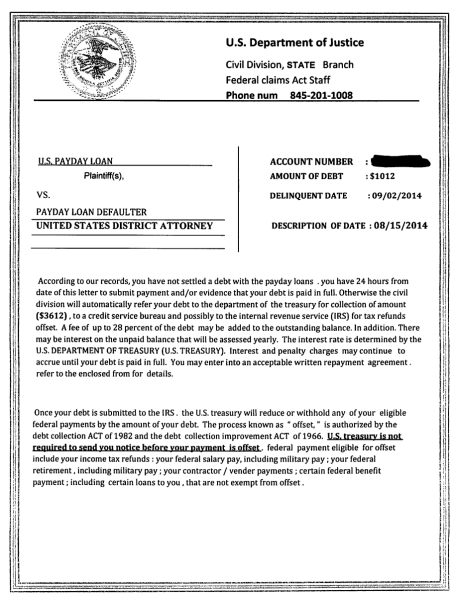
These fraudulent emails typically mimic the appearance of legitimate debt collection agencies or payday loan companies. They often include:
*
Threatening Language:
A common tactic is to use aggressive and intimidating language, threatening legal action, wage garnishment, or even arrest if the "debt" is not paid immediately. They create a sense of urgency and panic to pressure victims into acting quickly without thinking.*
Inaccurate Information:
The details of the supposed loan, such as the original lender, loan amount, and interest rates, are often fabricated or grossly exaggerated. The scammers may use stolen or outdated information to make the email seem legitimate.*
Requests for Immediate Payment:
The email will invariably demand immediate payment, often directing victims to send money via unconventional methods like prepaid debit cards, wire transfers (e.g., Western Union or MoneyGram), or even cryptocurrency. Legitimate debt collectors typically offer more traditional and traceable payment options.*
Poor Grammar and Spelling:
While some scams are becoming more sophisticated, many still contain noticeable grammatical errors, typos, and awkward phrasing. This can be a red flag indicating a fraudulent email.*
Lack of Verification:
The email will likely lack proper verification or documentation of the alleged debt. Legitimate debt collectors are required to provide proof of the debt upon request.Why Payday Loan Scams are So Effective
These scams are particularly effective because they target individuals who may have taken out payday loans in the past or are simply worried about debt. The scammers capitalize on fear and uncertainty, hoping that victims will be too afraid or embarrassed to question the legitimacy of the claim. They frequently use publicly available information or data breaches to gather personal details, making their claims seem more convincing.
Protecting Yourself from Fake Payday Loan Collection Emails
Here are some essential steps you can take to protect yourself from these scams:
1.
Verify the Debt:
If you receive an email claiming you owe a payday loan,do not
respond to the email directly. Instead, contact the supposed lender or collection agency independently using contact information you find on their official website or through a trusted source like the Better Business Bureau. Ask them to verify the debt and provide documentation.2.
Check Your Credit Report:
Review your credit report from all three major credit bureaus (Equifax, Experian, and TransUnion) to identify any unfamiliar accounts or collection notices. Dispute any inaccuracies with the credit bureau and the creditor.3.
Never Provide Personal Information:
Never provide personal information, such as your Social Security number, bank account details, or credit card numbers, in response to an unsolicited email.4.
Be Wary of Unconventional Payment Methods:
Avoid paying debts via prepaid debit cards, wire transfers, or cryptocurrency. Legitimate debt collectors typically accept more secure and traceable payment methods like checks or credit card payments.5.
Report the Scam:
Report the scam to the Federal Trade Commission (FTC) at IdentityTheft.gov. You can also report it to your state's Attorney General's office.6.
Use a Spam Filter:
Ensure your email account has a strong spam filter enabled to block suspicious emails.7.
Educate Yourself:
Stay informed about the latest scams and fraud tactics. The more you know, the better equipped you'll be to recognize and avoid them.What to Do If You've Been Scammed
If you believe you've been a victim of a fake payday loan collection scam, take the following steps:
*
Contact Your Bank or Credit Card Company:
If you made a payment, contact your bank or credit card company immediately to report the fraudulent transaction and request a chargeback. *File a Police Report:
File a report with your local police department. *Monitor Your Accounts:
Closely monitor your bank accounts, credit cards, and credit report for any signs of unauthorized activity. *Consider a Credit Freeze:
Place a credit freeze on your credit reports to prevent scammers from opening new accounts in your name.Conclusion
Fake payday loan collection emails are a serious threat that can have devastating consequences. By understanding how these scams operate and taking proactive steps to protect yourself, you can significantly reduce your risk of becoming a victim. Remember to verify debts, protect your personal information, and report any suspicious activity to the authorities. Vigilance and awareness are your best defenses against these fraudulent schemes.


Comments
Post a Comment